WHY WE STARTED WITH THESE FIVE INDUSTRIES

We didn't start with five industries because somebody told us they were good markets for financial modeling.
We started with them because we knew them.
Cash-Flow-Model.com (CFM) grew out of years of actually buying businesses and assets, operating companies, evaluating investments, building projects, borrowing money, raising capital, making mistakes, changing plans, and trying to figure out what would happen to the cash before committing more of it.
So when it came time to develop CFM for different industries, it made sense to start with businesses we had actually experienced.
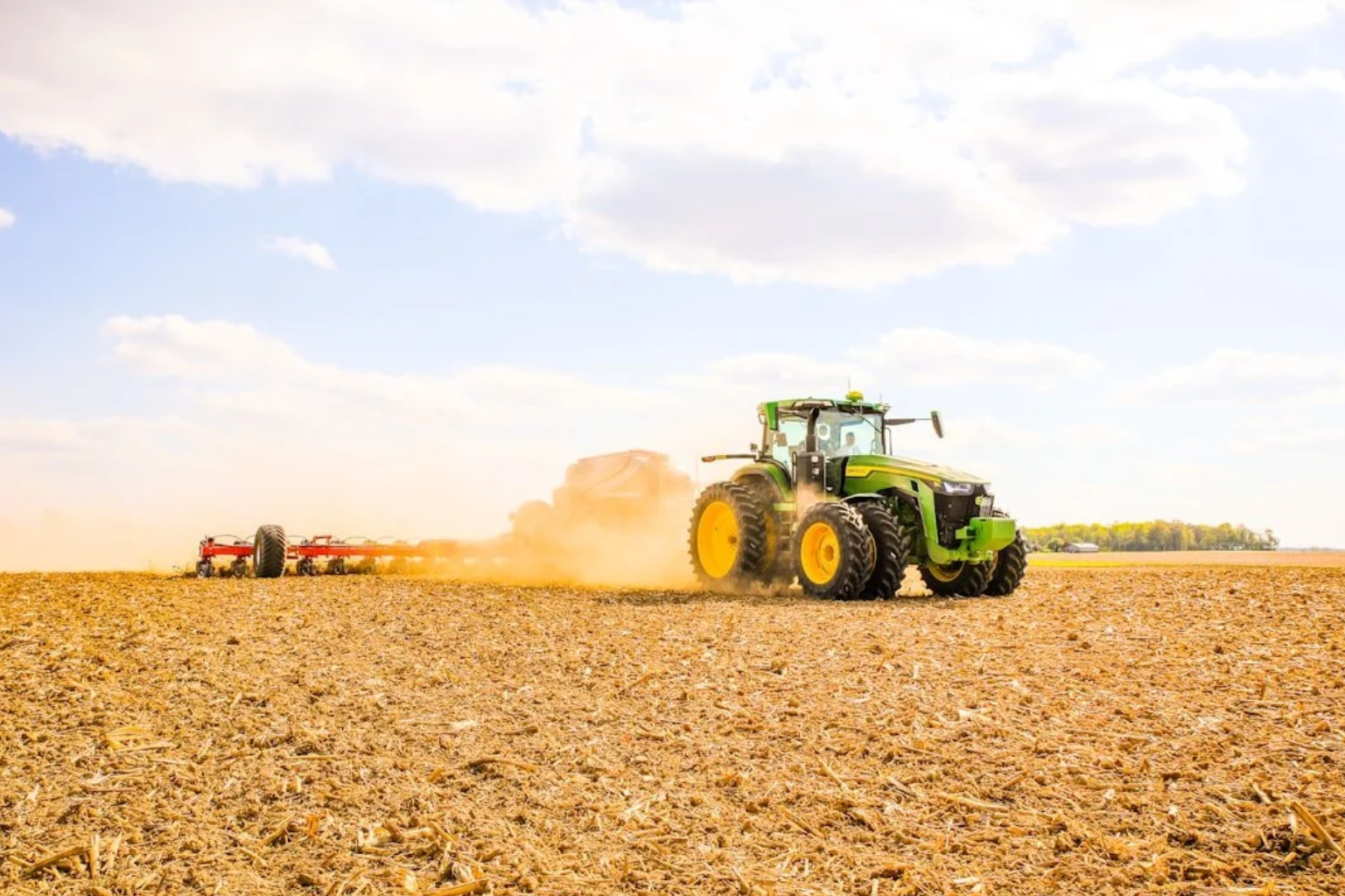
Farming — Sawtooth Farms
Farming wasn't chosen because agriculture looked good on a list.
Sawtooth Farms came from buying and operating a real 5,312-acre working ranch and farm near Declo, Idaho.
A farm makes the interaction between assets, operations, timing, revenue, expenses, financing, and cash very real, very quickly. Land is expensive. Equipment is expensive. Crops don't care when the loan payment is due. CRP agreements rarely make sense. Revenue and expenses don't necessarily arrive at convenient monthly intervals. And seasonal help can be fickle and unreliable.
That made Sawtooth Farms a natural real-world application for CFM.
The question wasn't simply, Can a farm be profitable?
It was: What does it actually take to buy it, operate it, finance it, and keep enough cash available while everything else is happening?
Upstream Oil & Gas — The Business I Know Best
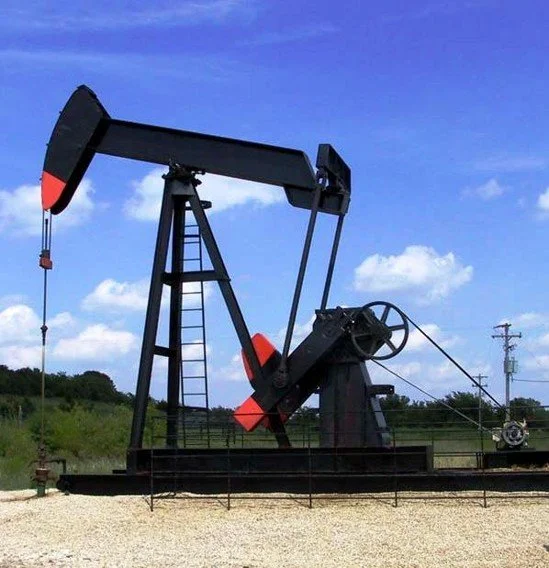
Upstream oil and gas is personal for an even simpler reason. It has been my principal business.
Over the years, through different entities, I bought producing oil and gas assets in Texas, Montana, Kansas, Oklahoma, and Wyoming. Every acquisition involved assumptions: production, decline, commodity prices, operating expenses, ownership interests, acquisition price, financing, and ultimately cash flow. Moreover, oil and gas deals are cash only. You finance them after you buy them. Crazy, right? But true. I learned that the hard way.
And anybody who has spent time in oil and gas knows what happens to assumptions. They change.
Production changes. Prices change. Expenses change. Wells decline. Something breaks. Something performs better than expected. Something performs worse. Then, you need to plan for spills — not just the gushers.
That makes upstream oil and gas almost tailor-made for what-if analysis.
Change the production assumption. Change the price. Change the decline. Change the acquisition price. Change the financing. Then see what happens.
That is how I have always thought about these investments anyway. CFM simply gives that thinking a financial structure.
Construction — I've Been on Both Sides of the Counter
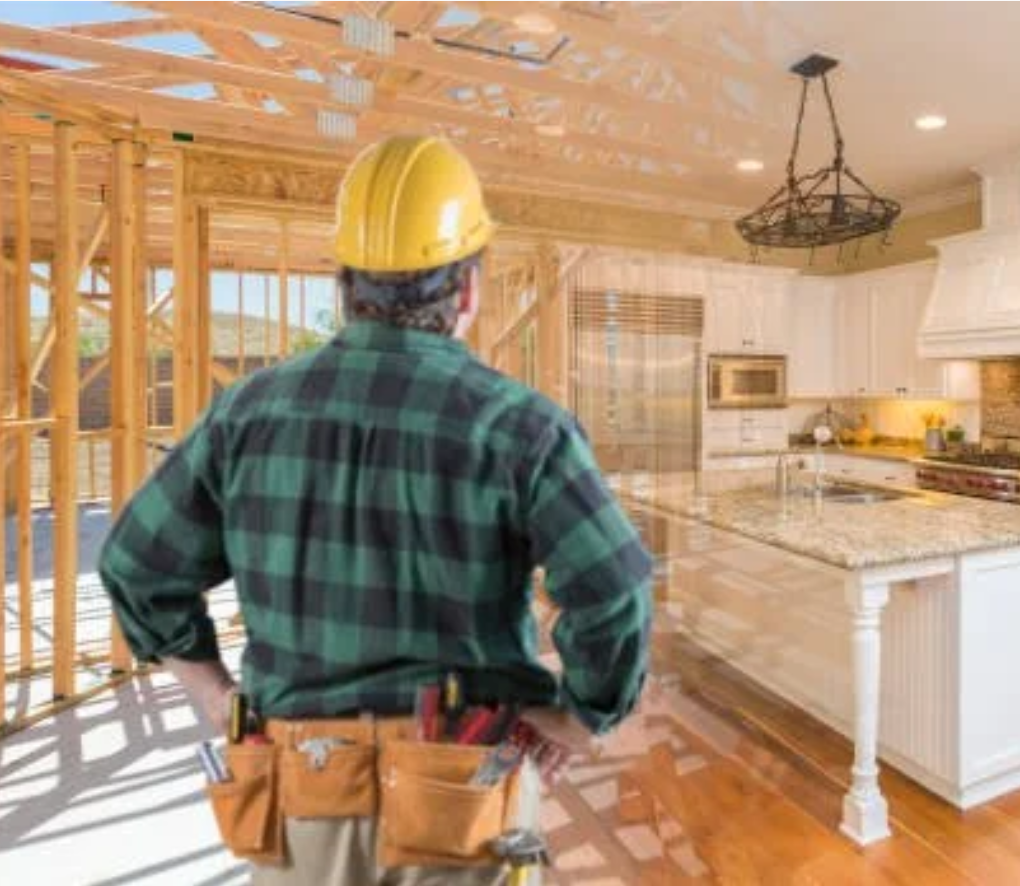
Construction came from a different part of my life. I built homes and an office building in Sun Valley, Idaho. And for several years, I also moonlighted on the Pro Desk at Home Depot and Lowe's in Chicago.
That combination gave me an interesting view of the business. On one side, you're trying to build something. You're dealing with budgets, materials, labor, subcontractors, timing, changes, permits, financing, and all the things that never seem to cost exactly what you thought they were going to cost.
On the other side of the counter, you're watching contractors and builders deal with those same realities every day, and with all due respect, many contractors are very disorganized.
Construction is full of what ifs.
What if materials cost more? What if the project takes longer? What if labor increases? What if the draw doesn't arrive when expected? What if the customer changes something? What if we build two at the same time instead of one?
Again, those aren't theoretical financial-model questions. They're the kinds of questions people building things actually have to answer.
Website Development / Digital Platforms — We Built This One and Three Others
This one is happening right now.
PRODUITS DE L'ÉQUIPE has developed and is operating several digital platforms, including Cash-Flow-Model.com, Oil-Royalties.com, and Working-Interest.com.
That means we aren't trying to imagine what a website developer or digital-platform business might look like. We've built them.
There are subscriptions. Customer growth assumptions. Cancellations. Payment-processing costs. Marketing. Technology expenses. Employees. Outside services. Development costs. Financing. Infrastructure. And the constant question of when to spend money now in order to support growth later.
We built the Website Development / Digital Platforms application around those actual operating decisions.
Moreover, we used the actual CFM we’re offering here to you to model PRODUITS itself. That's about as real-world as we can make it.
Restaurant & Hospitality — Fifteen Years of "Would You Buy This Place?"
My wife is a chef.
For more than 15 years, specialty food manufacturing and restaurant deals have been part of our lives. I’ve evaluated dozens of restaurant opportunities pitched to me, and she’s probably critiqued more meals, kitchens, menus, service models, staffing decisions, and restaurant operations than most could count.
The conversation eventually becomes familiar.
What's the rent? How many seats? How many turns? What's the average ticket? How much labor does this really require? What about labor reliability and turnover? What about food cost? How much gets wasted? How many turns for lunch versus dinner? What happens on Tuesday when the dining room almost empty?
And, inevitably:
Would you buy this place?
A restaurant can be packed on Saturday night and still be a terrible investment.
That's exactly the kind of business where a financial model becomes useful—not to tell somebody whether the food is good, but to test whether the operation behind it makes financial sense.
Five Industries. One Reason.
These industries are very different.
A 5,312-acre Idaho farm doesn't operate like an oil well. An oil well doesn't operate like a construction project. A construction company doesn't operate like a subscription website. And none of them operate like a restaurant.
That's the point.
CFM wasn't designed around one particular type of business and then relabeled five times. Each industry begins with the things that actually drive that business.
We started with these five because we had enough real-world experience with them to ask the questions that mattered.
There will be more. But we started with what we knew.