
Restaurant Cash Flow Model
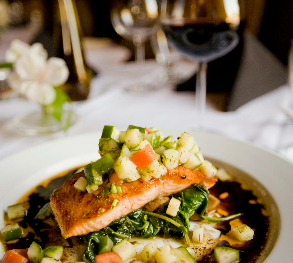
Built from the kitchen and the deal table.
This model draws on two kinds of experience. Zivile, a trained chef with seven cuisine certifications, has worked in restaurant kitchens and knows what a good meal looks like on the plate. Ronald Achs, our founder, has reviewed dozens of restaurant deal pitches over the years and has seen which numbers decide whether a restaurant gets funded. Read more about us.
Cash-Flow-Model.com turns your restaurant plan into an 84-month projection of sales, costs, financing and cash. You enter the build-out, the seats, the menu economics, the payroll and the loan. The model builds fully integrated financial statements in a GAAP-compliant format.
What you can model
Sales from meals per day or from seats and table turns, with an occupancy limit and your average check.
Food and beverage, labor and waste cost per meal, charged to cost of goods as meals are served.
Hourly payroll, repairs and maintenance, supplies, NNN rent, cleaning and linen.
Build-out, equipment and tenant improvements, depreciated over the life you choose.
A liquor license or deposit, carried on the balance sheet and not depreciated.
An opening month after the build-out, so sales and per-meal costs start when the doors open.
Loans and equity that fund the gap, with interest shown month by month, and taxes from your own tax structure.
Numbers restaurateurs watch
Traffic Cushion. The next 12 months of EBITDA divided by the next 12 months of gross profit. The higher the number, the more traffic can fall before you lose money.
Gross profit and EBITDA by month, so you see when the restaurant starts to carry its own costs.
Cash and loan balance month by month, so you see the funding you need before you open. See ending bank balance in the basics.
What you get
Income statement, balance sheet, statement of cash flows, funding schedule and an assumptions summary, for 84 months. Change a seat count, a price or an opening month and everything updates.
Who it is for
Owner-operators, chefs opening their first restaurant, multi-unit operators, franchisees, lenders, landlords and advisors who need a clear answer before committing money.
Common questions
-
The funding schedule shows how much loan or equity your plan requires and in which months, based on your own build-out, equipment, payroll and opening month. You see the funding you need before you sign the lease.
-
You can enter meals per day directly, or enter seats and table turns. The model multiplies meals by your average check. If you set an occupancy limit, it caps the seats that can be used. You can also enter sales as separate revenue lines, such as food, alcohol, bakery and coffee, and the income statement reports one operating income line. Use one method or the other so sales are not counted twice.
-
Traffic Cushion is the next 12 months of EBITDA divided by the next 12 months of gross profit. It shows how much of your gross profit is left after operating costs. At 60 percent, gross profit could fall about 60 percent before EBITDA reaches zero. A negative number means operating costs already exceed gross profit.
-
Yes. Food and beverage cost, labor cost and waste cost per meal are charged to cost of goods for every meal in the month it is served. Rent, hourly payroll, repairs, supplies and cleaning can be entered as operating expenses.
-
Yes. Enter build-out and equipment as assets and the model depreciates them. A liquor license is entered as a license or deposit. It appears on the balance sheet and is not depreciated.
-
Yes. Change the opening month, table turns, average check or a cost and every statement updates, so you can compare the results side by side.
-
INo. It calculates from your own inputs and does not substantiate them.
Videos on restaurant cash flow
Press about restaurant cash flow
Other industries
Cash Flow Model for Construction, Cash Flow Model for Farming, Cash Flow Model for Upstream Oil & Gas and Cash Flow Model for Website Developers are built the same way. Not sure which fits? See all industries.